
How to Get Rid of Bed Bugs: A Complete Step-by-Step Guide
Learn how to get rid of bed bugs fast with our expert-backed 2026 guide. Discover effective DIY treatments, heat methods, and professional tips to reclaim your home.
INFORMATION
DRZ
4/25/20263 min read
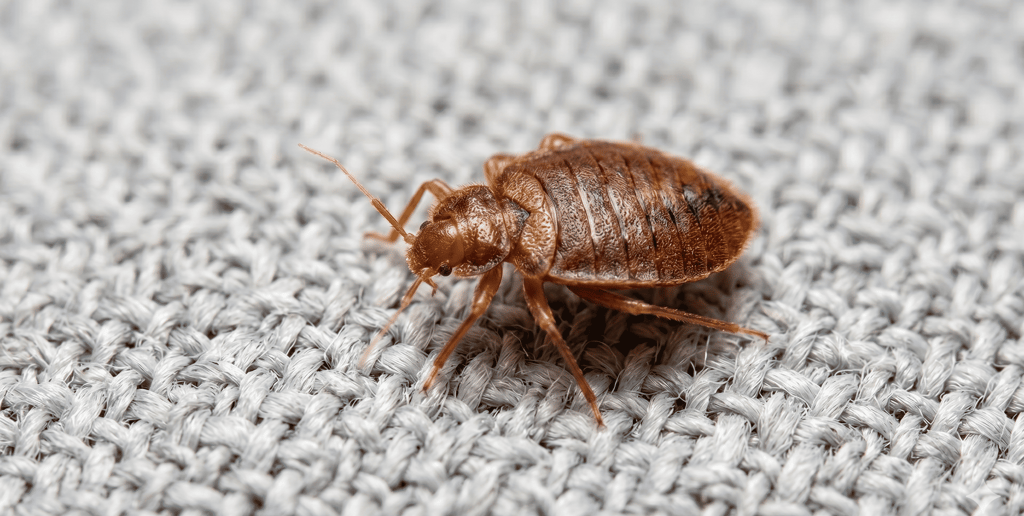
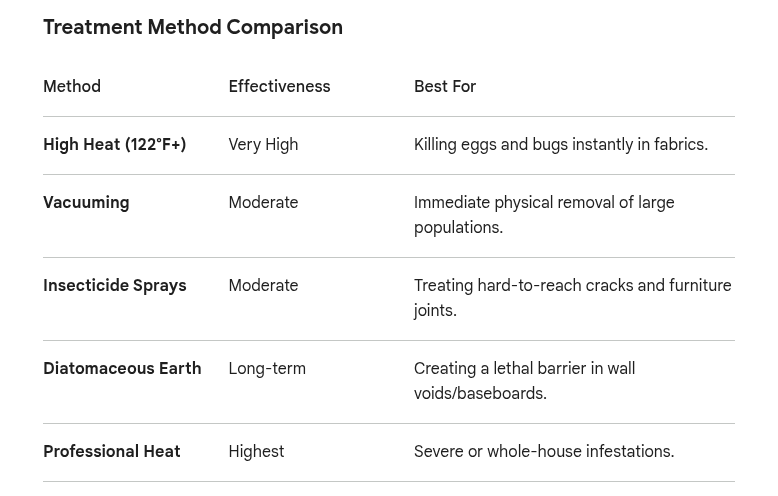
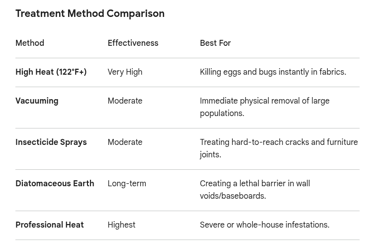
Wiping out bed bugs takes a multi-front assault that combines high-heat treatments (over 122°F), aggressive vacuuming, and professional insecticides to destroy both live bugs and their eggs.
Key Takeaways
Heat is the ultimate killer: Temperatures above 122°F (50°C) kills all bed bug life stages instantly.
Containment is crucial: Use mattress encasements to trap remaining bugs and prevent new ones from nesting.
Clean and Clear: Remove clutter and wash all fabrics on the highest heat setting available for 30 minutes or more.
Chemical assistance: Use desiccant dusts like diatomaceous earth in any cracks and crevices for long-term protection.
Persistence pays: Most infestations will require multiple treatments over several weeks to ensure that no eggs have hatched.
How do you prepare your home for a bed bug treatment?
Before you spray or steam anything, take away where they hide. Clear the floor completely. Get rid of piles of laundry, mail and closet clutter that may give bed bugs a safe place to ride out a treatment.
Fabrics prep comes next. Bag up all sheets, curtains, and clothes right at the source so you aren't accidentally shaking bugs loose down the hallway. Toss everything into the dryer on the highest heat setting for at least 30 minutes—the heat is what actually finishes off the bugs and destroys the eggs.
What are the most effective DIY steps to kill bed bugs?
Bed bugs are very tough to beat on your own, but wiping them out without an exterminator is doable if you don't cut corners. The trick is hitting them from both sides, physically hunting down their hiding spots and turning the room itself into a hot, dusty death trap.
Vacuum Deeply: Use a vacuum with a crevice tool of some kind to clean mattresses, box springs, baseboards, and furniture seams. Immediately seal and discard the vacuum bag in an outdoor bin to prevent the bugs from escaping back into your home.
Apply High Heat: Use a high pressure steamer on upholstered furniture and carpets. The steam will penetrate deep into fibers where their eggs can be hidden.
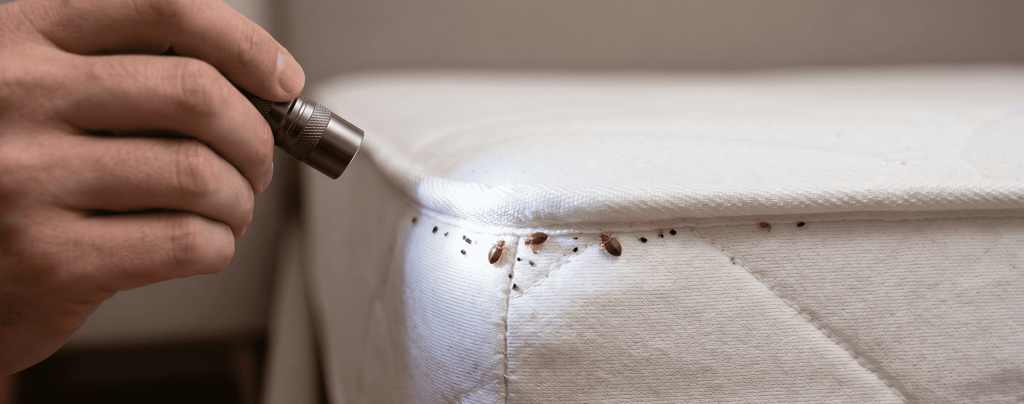
Seal the Mattress: Install a specialized bed bug-proof encasements on your mattress and box spring. This will starve any bed bugs trapped inside and make it easier to spot new ones on the smooth surface.
Strategic Insecticides: Apply products like "Ortho Home Defense Max Bed Bugs" or other Professional Grade Bed Bug Sprays directly into cracks, crevices, and behind baseboards where bed bugs might congregate.
Should you use diatomaceous earth for bed bugs?
Food-grade diatomaceous earth (DE) is a powerful, non-toxic weapon for your arsenal. It works as a desiccant, it works by drying out the bed bug's exoskeleton until it dies.
To use it effectively, "puff" a light layer into all cracks, crevices, and behind electrical outlets. Avoid "piling" it up because bed bugs may simply just walk around a large mound, but they will stroll right through a fine, nearly invisible dusting.
Expert Perspective: The Reality of DIY Bed Bug Control
In my experience, the biggest mistake homeowners make isn't the choice of chemical—it's the lack of follow-through. Bed bugs are "hide-and-seek" champions and if you miss just two fertile bugs or a handful of eggs, the cycle of life resets in about two weeks.
While DIY methods like steaming and DE are great for small, localized "hitchhiker" incidents, a full-blown bed bug infestation usually requires professional intervention. If you find yourself still getting bitten after three rounds of deep cleaning, it’s probably time to call in the pros for a whole-room heat treatment. It’s more expensive upfront, but saves you months of stress and possible furniture replacement costs.
Frequently Asked Questions:
Can I sleep in my bed during treatment?
Yes, and in many cases, you should. If you move to the couch or another room, the bed bugs will just simply follow your CO2 signature and heat, spreading the infestation to new areas of your home.
How long does it take to fully get rid of them?
A typical infestation may take 3 to 6 weeks to fully eradicate. This time frame accounts for the hatching cycle of eggs that may have survived the initial treatment.
Does vinegar kill bed bugs?
Vinegar can kill bed bugs on contact because it is an acetic acid that disrupts their nervous system, but it is not an "effective treatment" for an infestation. It has no residual effect, meaning it won't kill the bugs you can't see.
Should I throw away my mattress?
Generally, no. You usually can save your mattress by using a high quality, bed bug rated encasement. Throwing a mattress away often spreads the bugs through your home as you move it.
Call 1-888-808-9847 (Toll Free)
Speak to a Pest Control Professional in Your Area